


 Pay Invoice Now

If your pipes seem to clog more often than usual or slow-draining fixtures persist, it could be more than just another household inconvenience. Tree roots are a particularly common culprit in Georgetown neighborhoods, where mature landscaping and native trees thrive thanks to the area’s warm climate and soil conditions. In this post, you will find practical guidance on understanding tree root intrusion inside drain lines, recognizing key warning signs, exploring solutions, and planning your next steps in particular if a whole-home or partial repipe is needed for your property.
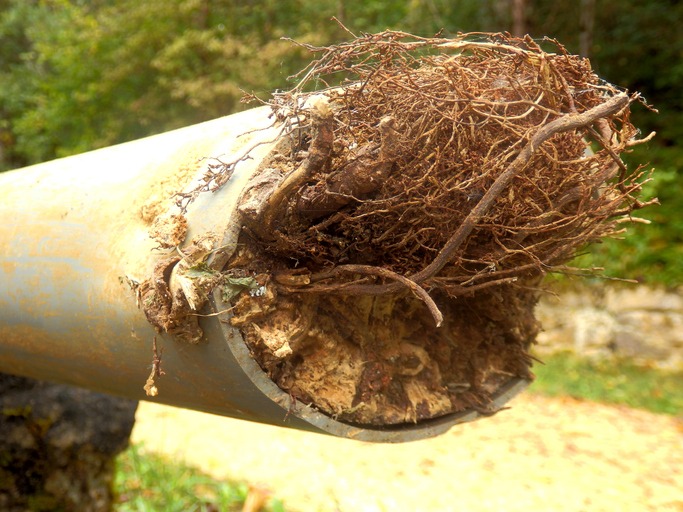
How Tree Roots Enter and Damage Drain Lines
Tree roots are naturally drawn to the moisture and nutrients found in sewer and drain pipes. Even a hairline crack, loose joint, or corroded segment in older clay, cast iron, or even PVC pipes can attract roots from oaks, elms, or sycamores common across Georgetown yards. Over time, these roots squeeze themselves into pipes and grow, eventually obstructing water flow or causing extensive damage. Cracked or shifted plumbing buried underground can be especially vulnerable after long Central Texas droughts followed by periods of heavy rain, which is typical for the region.
Warning Signs of Tree Root Intrusion in Your Plumbing
Early detection can reduce the risk of large-scale pipe damage and help you avoid emergency plumbing situations. Be alert for these common signs:
-
Gurgling sounds from toilets or drains
-
Recurrent clogs or slow drainage in multiple fixtures
-
Foul odors rising from drains or toilets
-
Wet spots or excessively green patches in your yard, particularly along the pipe route
-
Backups in tubs or showers, especially after using the washing machine
Addressing these issues quickly is especially important for properties built before 1980, as older pipe materials are more susceptible to root penetration and breakage.
Repair Options: Clearing and Repiping
If tree roots are discovered in your drain lines, plumbers may first attempt mechanical root removal using a power auger or hydro jetting to clear blockages. However, if the intrusion is severe or the pipe integrity is compromised, more lasting solutions are advised:
-
Pipe lining or pipe bursting can restore the function of underground lines with minimal digging in many cases.
-
A targeted repipe replacing entire sections of damaged drain or sewer lines might be necessary for aging or extensively damaged systems. For homeowners concerned with persistent clogging, low water pressure, or visible leaks, a whole-house repipe may ensure the long-term health of both your supply and waste systems.
Planning a Successful Repipe Project
Planning a repipe in Georgetown involves several important considerations:
-
Determine if the issue is isolated or widespread by requesting a camera inspection from a professional plumber.
-
Choose pipe materials suited to the Central Texas climate, such as updated PVC or PEX, which stand up well to shifting soils and root resistance.
-
Consider local permit requirements and experienced, licensed technicians who understand regional plumbing codes.
-
Factor in weather timing; aim for spring or fall when the ground is easier to work and household water use may be lower.
Communication is key. Ask your plumber: How extensive is the damage? What materials are recommended and why? What is the total cost, and what type of warranty is offered on new installations? Also, consider long-term solutions to minimize the likelihood of future issues, such as root barriers or rerouting drain lines away from large tree roots.
Schedule Your Assessment and Repipe Planning Today
If you are facing persistent drain issues or suspect root intrusion, act before small problems become catastrophic. Plumb Intended is your local Georgetown, TX plumbing specialist, equipped to handle everything from sewer & drain cleaning to complete whole house repiping. To schedule a professional assessment and begin planning a durable solution, call (512) 630-9968 or fill out our online form today.
