


 Pay Invoice Now

Plumbing issues are more than mere annoyances; they can directly impact the quality of the water you use every day. Many homeowners are surprised to learn that even seemingly minor leaks or occasional water pressure drops can affect their household water supply. Understanding how your plumbing system and water quality are connected is vital to protecting the health and comfort of everyone in your home.
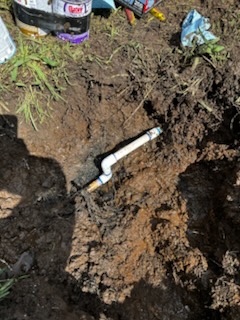
Common Plumbing Problems That Influence Water Quality
Some of the most frequent plumbing issues carry significant consequences for water safety. Older pipes, for instance, are particularly vulnerable. In homes with outdated galvanized or corroded copper lines, rust and scale can build up on pipe walls. Over time, these deposits can flake off or dissolve, entering your drinking and cooking water. Other problems that can affect water quality include:
-
Leaky pipes, which can allow contaminants from surrounding soil seepage to enter your water supply
-
Faulty or deteriorating water heaters, which can introduce sediment, bacteria, or metals like lead and copper into your water
-
Cross-connections between potable and non-potable water sources, potentially resulting in backflow events that pull contaminants into the clean water system
Chronic issues like these may compromise everything from your laundry to your ice cubes, and in Georgetown’s climate, where hard water and mineral buildup are already common, being vigilant is key.
How Seasonal Factors Affect Plumbing and Water Quality
Weather in Georgetown, Texas can shift rapidly, and those changes can significantly exacerbate the effects of plumbing issues on water quality. For instance, heavy spring rains and flooding may stress aging pipes, leading to increased risk of contamination. Conversely, extended summer heat can dry out soil and cause pipes to settle or crack, opening new pathways for pollutants. When soil movement cracks pipes underground, muddy water or bacteria may enter household plumbing unseen until symptoms such as discoloration or unpleasant taste are noticed at the tap.
Warning Signs of Water Quality Issues from Plumbing Problems
Recognizing the early indicators of water quality jeopardized by plumbing is crucial. If you notice any of the following, you should take prompt action:
-
Foul odors coming from your water
-
Unusual taste, such as metallic or chlorine-like flavors
-
Visible particles, cloudiness, or rusty tinges in your tap water
-
Fluctuating water pressure or recurring leaks
These symptoms often signal trouble with your plumbing infrastructure that could escalate quickly, especially when combined with Georgetown’s hard water tendencies.
Professional Solutions for Improving Water Quality
Addressing water quality means more than just repairing leaks. Skilled plumbers use state-of-the-art detection methods to trace contamination sources and recommend targeted repairs or whole house repiping. Preventive maintenance is equally valuable; annual plumbing inspections and water heater flushing can reduce the risk of unexpected problems and improve overall water purity.
Where persistent hard water or mineral content is a concern, consider options like water filtration or water softener installation. Tailored solutions can dramatically enhance your home’s water quality, especially when overseen by a certified local plumber familiar with Georgetown’s specific plumbing challenges.
Safeguard Your Water Quality Today—Contact Plumb Intended
When plumbing problems threaten your water quality, it’s time to call in a professional. Plumb Intended proudly serves Georgetown, TX and surrounding communities with reliable, local expertise in plumbing repair and water quality solutions. Protect your home and family by scheduling a service call. Reach out to Plumb Intended at 512-630-9968 or complete our online form to get started today.
